
Spread the love

Duvet vs Duvet Cover vs Comforter: What's the Difference?

Duvet vs Duvet Cover vs Comforter: What's the Difference?

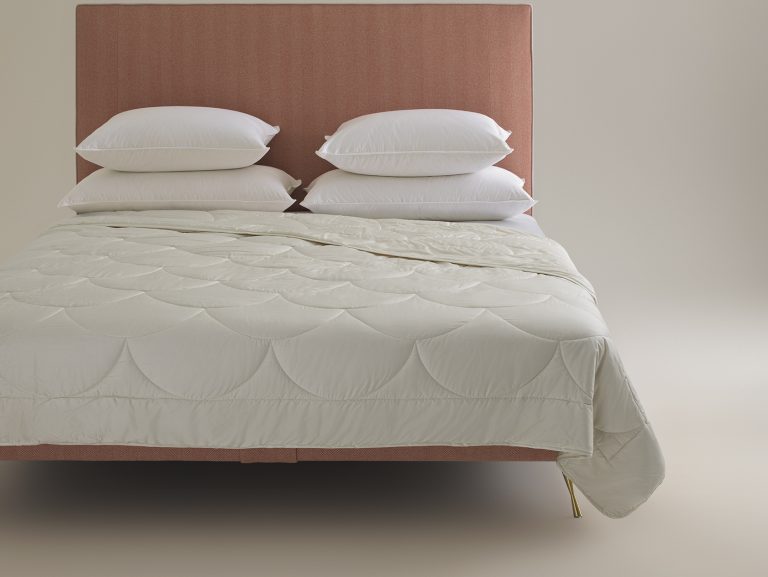
Many people find themselves perplexed by the variety of bedding options available. Among the most common are duvets, duvet covers, and comforters. Understanding these differences can help you make a more informed decision, ensuring you achieve the perfect balance of comfort, style, and practicality. This comprehensive guide will explore the key distinctions, benefits, and tips on choosing the best option for your needs.

Understanding the Basics: Duvet, Duvet Cover, and Comforter

Duvet

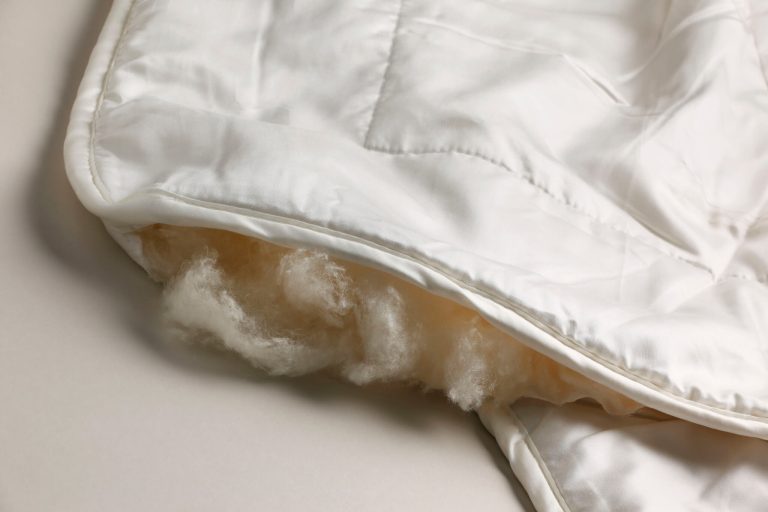
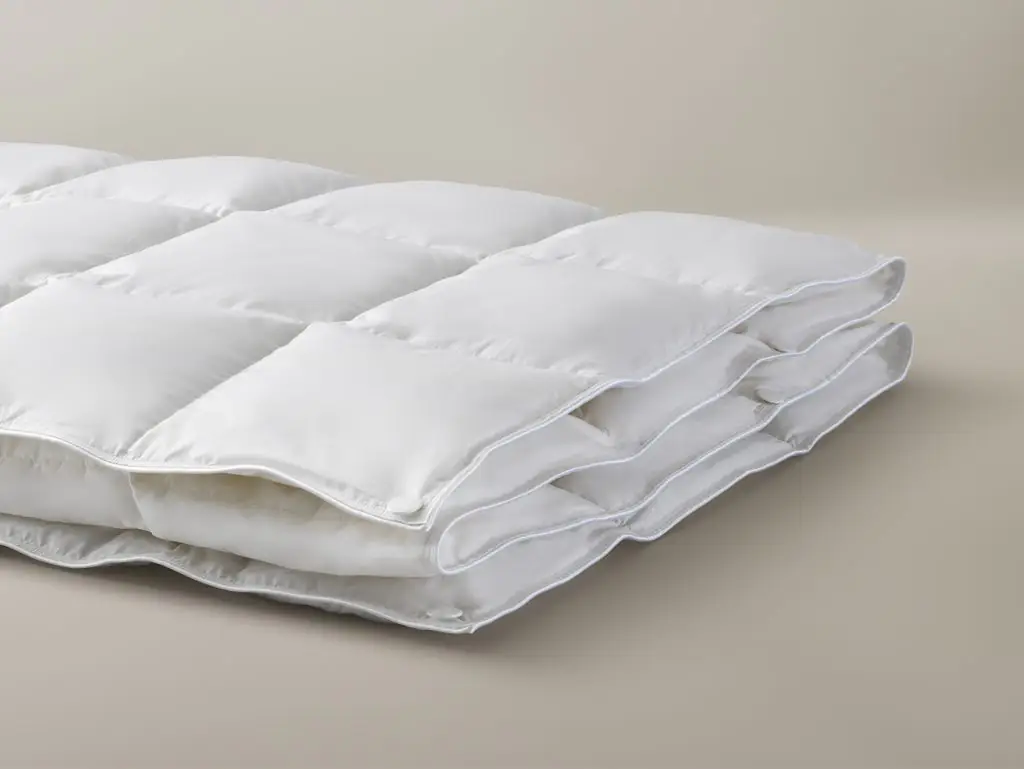
duvet is a soft and fluffy bedding item usually filled with down, feathers, wool, or a synthetic alternative. It serves as the primary insulation layer on a bed and is designed to be used without additional sheets or blankets. Duvets are popular for their warmth and comfort, providing a cozy sleep experience.

Materials Used for Duvets:

Natural Down and Feathers: Known for their insulating properties, down and feathers create a lightweight yet warm duvet.
Synthetic Fibers: These offer hypoallergenic properties and are often more affordable and more accessible to care for.
Wool: Offers excellent temperature regulation, keeping you warm in winter and cool in summer.

Common Uses:

Duvets are popular because they provide warmth without needing multiple layers of blankets. They are widely used in colder climates and are favored for their luxurious comfort.

Duvet Cover

A duvet cover is a protective and decorative layer that encases the duvet. It functions similarly to a pillowcase and can be removed and washed separately. Duvet covers come in various fabrics, colours, and patterns, allowing for easy changes in bedroom decor without replacing the entire duvet.

Materials Used for Duvet Covers:

Linen: Known for its durability and ability to wick moisture, linen is perfect for a crisp, relaxed feel.
Polyester: Often blended with other materials to enhance durability and wrinkle resistance.
Silk: Luxurious and smooth silk duvet covers add a touch of elegance but require more delicate care.

Common Uses:

Duvet covers protect the duvet from dirt and spills, extending its lifespan. They are also an easy way to change the look of your bedding without buying a new duvet.

Comforter

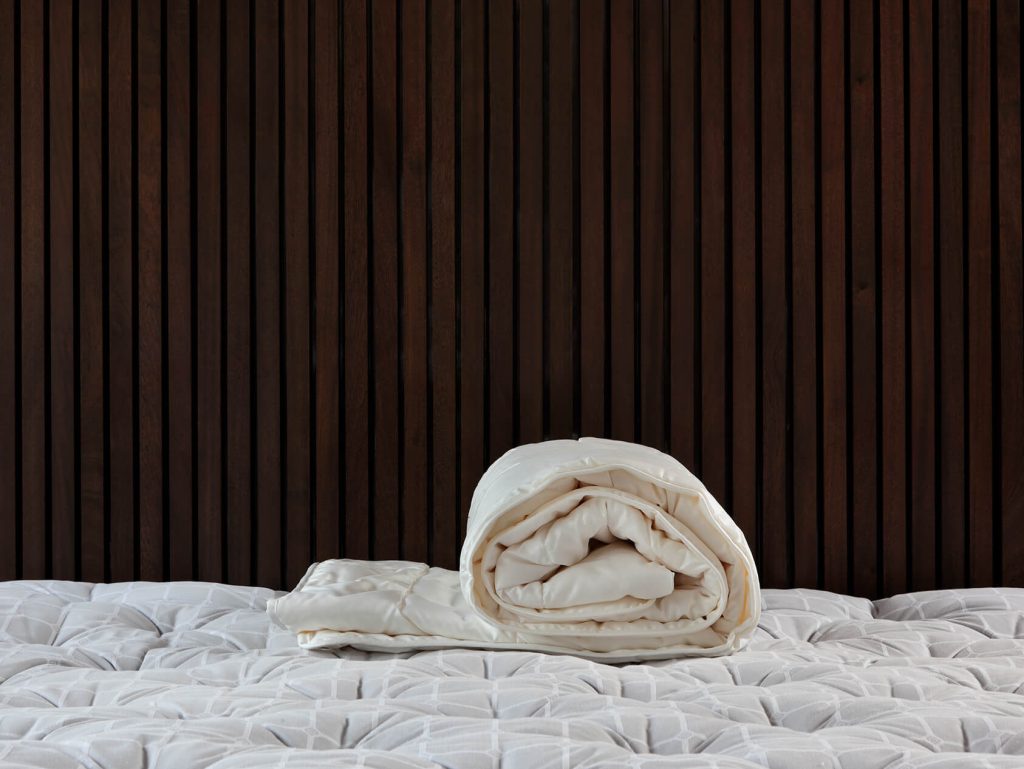
A comforter is a thick, quilted blanket on the bed sheets. Unlike a duvet, a comforter is usually stitched closed and used without a cover. It is filled with materials similar to a duvet but is often less fluffy. Comforters are available in various styles and designs and can be used year-round.
Materials Used for Comforters:

Cotton: Provides breathability and a natural feel.
Polyester: Offers durability and easy maintenance.
Down or Synthetic Down: Adds warmth and a fluffy texture.
Wool: Ideal for temperature regulation.

Common Uses:

Comforters are versatile and can be used year-round. They are typically part of a bedding set that includes matching pillow shams and sheets, providing a cohesive look for your bed.

Differences Between Duvets, Duvet Covers, and Comforters

Functionality

Duvet: Acts as the primary insulating layer; requires a duvet cover.
Duvet Cover: Protects the duvet and offers easy style changes.
Comforter: Serves as a top blanket and does not need a cover.

Maintenance

Duvet: Requires less frequent washing but needs a cover to stay clean.
Duvet Cover: Easy to remove and wash regularly, protecting the duvet.
Comforter: More challenging to wash due to its bulk and size; it may need professional cleaning.

Savoir Pure Silk Duvet
0096 Duvet Siberian Goose 4 5 Tog

Versatility

Duvet: Offers flexibility with interchangeable covers for different looks.
Duvet Cover: Provides endless design options and protects the duvet.
Comforter: Limited in style changes; design is fixed.

Warmth and Insulation

Duvet: Typically warmer due to the down or feather filling.
Duvet Cover: Does not add warmth but can affect the duvet’s breathability.
Comforter: Varies in warmth; often lighter than a duvet.

Benefits of Each Bedding Option

Duvet Benefits

Comfort and Warmth: Superior insulation, especially with down or feather filling.
Customizability: Easily change the look with different duvet covers.
Maintenance: The duvet itself needs less frequent washing.

Duvet Cover Benefits

Hygiene: Easy to remove and wash, keeping the duvet clean.
Design Flexibility: Change bedroom decor without buying a new duvet.
Protection: Shields the duvet from stains, spills, and wear.

Comforter Benefits

Convenience: Ready to use without needing a cover.
Design Variety: Wide range of styles and patterns.
Affordability: Generally less expensive than duvets and covers.

How to Choose the Right Option for Your Bedding Needs

1. Consider Your Climate

A duvet might be better in colder climates due to its warmth. In contrast, a comforter may suffice in milder weather.

2. Evaluate Maintenance Preferences

Those who prefer low-maintenance bedding might lean towards comforters, as they don’t require the additional step of using a cover. However, a duvet with a removable cover could be ideal if easy washing and hygiene are priorities.

0026 Duvet Pure Silk 1

3. Style and Decor

Duvets with interchangeable covers offer unmatched versatility for those who love changing their bedroom’s look frequently. Comforters are more suited for those who prefer a consistent style.

4. Allergies and Sensitivities

People with allergies should consider hypoallergenic options. Duvets and comforters filled with synthetic materials can be a good choice. Duvet covers made from natural, breathable fabrics can also help reduce allergens.

5. Budget Considerations

Duvets, especially those filled with down, can be more expensive than comforters. However, they offer long-term value due to their durability and the ability to change covers. Comforters can be a more budget-friendly initial investment.

5. Sleeping Habits

If you get hot at night, a lighter comforter might be preferable. Duvets can be adjusted with different covers to manage warmth and breathability, catering to changing seasonal needs.

Making the Most of Your Bedding Choice

Layering Techniques

Layering your bedding can enhance comfort and aesthetics. Combine a duvet or comforter with additional blankets and throws for a plush, inviting look. This also allows you to adjust your warmth level throughout the year.

Material Selection

Choose materials that suit your comfort preferences. Down and feathers offer exceptional warmth, while synthetic fillings can be more affordable and hypoallergenic. Consider fabrics like cotton for breathability or microfiber for softness for duvet covers and comforters.

Care and Maintenance Tips

Duvet: Shake and fluff regularly to maintain the loft; use a duvet cover to minimise cleaning.

Duvet Cover: Wash frequently according to care instructions; close zippers or buttons before washing.

Comforter: Follow specific washing instructions; consider using a duvet cover for added protection.

Cashmere2

Conclusion

Choosing between a duvet, duvet cover, and comforter depends on your needs, preferences, and lifestyle. Each has unique benefits that can enhance your sleep experience and bedroom aesthetics. By understanding the differences and evaluating factors like climate, maintenance, and style, you can make an informed decision that ensures comfort and satisfaction. Whether you opt for the cosy warmth of a duvet, the easy maintenance of a duvet cover, or the convenience of a comforter, the right choice will contribute to a restful and stylish bedroom.

To explore a wide range of premium bedding options, including duvets, duvet covers, and comforters, visit our shop page here. Find the perfect choice to enhance your comfort and style today! Don’t miss out on our latest collections and exclusive offers. Shop now and transform your bedroom into a cosy haven.


Spread the love