
Biophilic Bedding: How Nature-Inspired Designs Boost Sleep Quality

The Power of Biophilic Design in the Bedroom
Our bedrooms are more than just sleeping spaces; they are sanctuaries for rest, healing, and balance. In recent years, biophilic design has gained attention for its ability to reconnect us with nature and improve overall well-being. Applied to bedding, this concept has given rise to biophilic bedding, a movement that embraces natural fabrics, earth-inspired colours, and sustainable craftsmanship to create a restful sleep environment.
But what exactly is biophilic bedding, and why is it important for your sleep quality? Let’s explore how nature-inspired designs are transforming the way we think about sleep.
What is Biophilic Bedding?
Biophilia refers to our innate human desire to connect with nature. In design, this translates to incorporating natural elements—such as light, textures, colours, and materials—into our living spaces. Biophilic bedding takes this principle and applies it directly to the sheets, duvets, and fabrics that come into contact with our skin every night.
Instead of synthetic or overly processed materials, biophilic bedding relies on organic cotton, linen, bamboo, wool, and other eco-friendly fabrics that breathe naturally and feel more in tune with the body’s rhythms. Beyond the materials, design also plays a role, with patterns inspired by leaves, forests, oceans, and earthy palettes that evoke calm and relaxation.
By merging sustainability, comfort, and aesthetics, biophilic bedding is not just about sleep—it’s about well-being and harmony.
The Link Between Nature and Sleep Quality
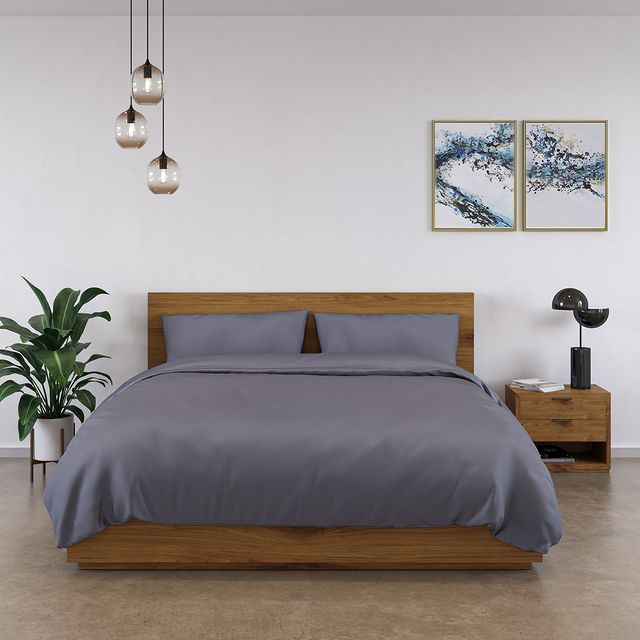
Numerous studies highlight the benefits of connecting with nature for mental health, stress reduction, and circadian rhythm regulation. When you bring those elements into your bedding, you create an environment that helps your body relax and prepare for rest.
1. Reduced Stress: Natural textures and colours calm the nervous system.
2. Improved Airflow: Organic fabrics breathe better, regulating temperature and reducing night sweats.
3. Enhanced Comfort: Soft, plant-based materials feel gentler on the skin compared to synthetic fibres.
4. Better Sleep Cycles: A calming environment helps stabilize melatonin production, the hormone that controls sleep.
By combining these benefits, biophilic bedding provides a science-backed approach to improving both sleep quality and overall health.
Key Elements of Biophilic Bedding
1. Natural Fabrics
The cornerstone of biophilic bedding is the choice of fabric. Materials like organic cotton, bamboo, hemp, silk, and wool not only feel luxurious but also support better airflow and temperature regulation. Unlike synthetic fibres, they are hypoallergenic, non-toxic, and kinder to sensitive skin.
2. Nature-Inspired Colours
Biophilic design often incorporates calming hues such as soft greens, earthy browns, muted blues, and warm neutrals. These colours mimic landscapes—forests, oceans, deserts—and evoke a sense of tranquillity that encourages restful sleep.
3. Botanical Patterns and Textures
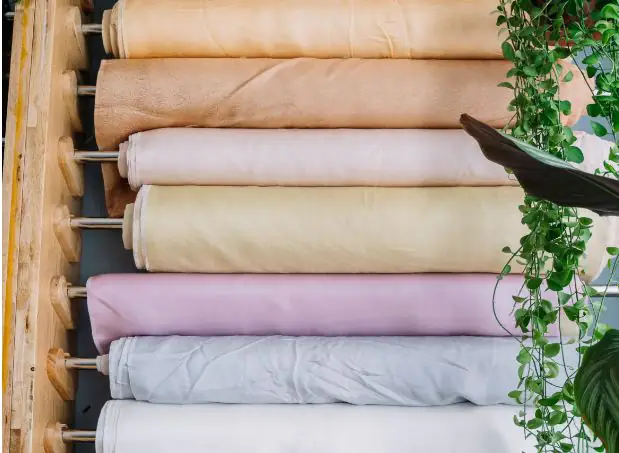
From leafy prints to woven linen textures, the visual and tactile design of bedding can enhance the sense of connection to nature. Even subtle patterns, such as floral embroidery or natural stone-inspired shading, can subconsciously relax the mind.
4. Sustainable Production
Biophilic bedding is not just about the final look and feel—it also reflects sustainable values. Ethically sourced fabrics, eco-friendly dyes, and low-impact manufacturing processes ensure that your bedding contributes to both personal comfort and environmental responsibility.
How Biophilic Bedding Enhances Sleep Quality
Breathability and Temperature Control
Overheating is one of the most common causes of disrupted sleep. Natural fibres like bamboo and linen allow air to flow more freely, wicking away moisture and keeping the body at a comfortable temperature throughout the night.
Hypoallergenic and Health Benefits
Biophilic bedding often uses untreated, chemical-free fabrics. This reduces the risk of skin irritation, allergies, and respiratory discomfort—particularly important for sensitive sleepers.
Sensory Experience
Touch plays a powerful role in sleep quality. The softness of organic cotton or the crisp texture of linen can provide a sensory experience that helps the body relax and unwind. When combined with calming colours and nature-inspired patterns, the bedding becomes part of a holistic relaxation ritual.
Emotional Connection
Sleeping in an environment that reflects the serenity of nature fosters a deeper sense of comfort and security. This emotional connection helps reduce anxiety, creating a calm mental state that prepares the body for restorative sleep.
Biophilic Bedding in Practice: How to Style Your Bedroom
- Layer Natural Fabrics – Combine cotton sheets with a linen duvet cover for a breathable, textured finish.
- Choose Earthy Colours – Opt for greens, soft blues, or beige tones that reflect nature’s calming palette.
- Add Botanical Accents – Introduce floral or leaf-inspired bedding designs for subtle biophilic visuals.
- Mix with Natural Décor – Pair your bedding with wooden furniture, stone accents, or plants to reinforce the theme.
- Keep it Minimal – Biophilic design thrives on simplicity. Avoid clutter for a clean, tranquil environment.
Sustainability and Biophilic Bedding
One of the most compelling aspects of biophilic bedding is its alignment with sustainability. As consumers become more eco-conscious, the demand for environmentally friendly products has increased. Biophilic bedding responds to this by offering:
- Organic, renewable fabrics that reduce dependence on synthetics.
- Low-impact dyes that avoid harmful chemicals.
- Durability that ensures products last longer, reducing waste.
- Ethical craftsmanship that supports artisans and environmentally responsible production.
Choosing biophilic bedding isn’t just about better sleep—it’s also a step toward a healthier planet.
Tips for Choosing the Right Biophilic Bedding
- Start with Materials: Look for organic cotton, linen, or bamboo labels.
- Check Certifications: Seek eco-friendly certifications such as GOTS (Global Organic Textile Standard).
- Feel the Texture: Select fabrics that match your comfort preferences—crisp linen vs. silky bamboo.
- Match with Room Décor: Ensure colours and patterns complement your bedroom design.
- Think Long-Term: Invest in high-quality bedding that lasts, aligning with both sustainability and comfort goals.
Why Biophilic Bedding is More Than a Trend
While interior design trends come and go, biophilic bedding taps into something deeper—our innate human need to connect with nature. It’s not just about following a style; it’s about creating an environment that supports health, mindfulness, and balance.
By choosing biophilic bedding, you’re not just investing in sheets and duvets—you’re investing in your overall well-being.
Bringing Nature Into Your Sleep
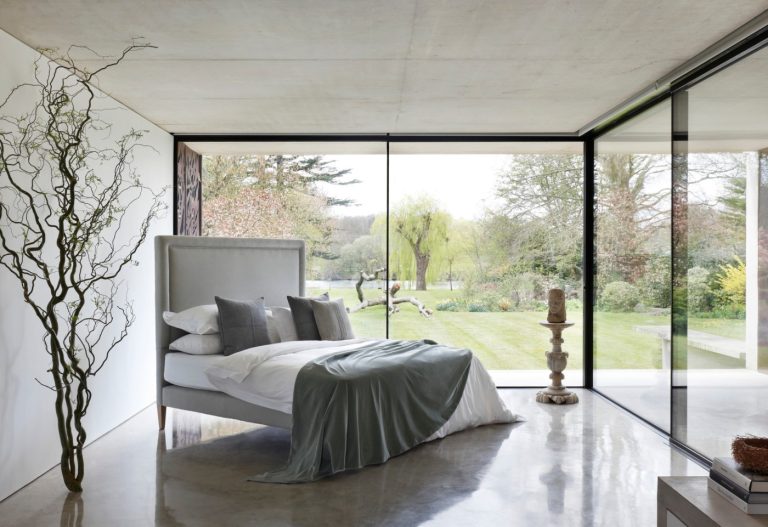
Sleep is one of the most important factors in maintaining a healthy lifestyle, and the environment you sleep in plays a crucial role. Biophilic bedding bridges the gap between nature and comfort, offering breathable fabrics, calming designs, and sustainable values that work together to improve sleep quality.
By embracing nature-inspired bedding, you transform your bedroom into a sanctuary where every detail supports relaxation and renewal. More than just a design choice, biophilic bedding is a lifestyle shift—one that helps you sleep deeply, dream peacefully, and wake refreshed.
And if you’d like to explore a carefully curated collection of sustainable, luxurious sleep essentials that embody these principles, you’ll find them at Beyond Sleep —where comfort meets sustainability.